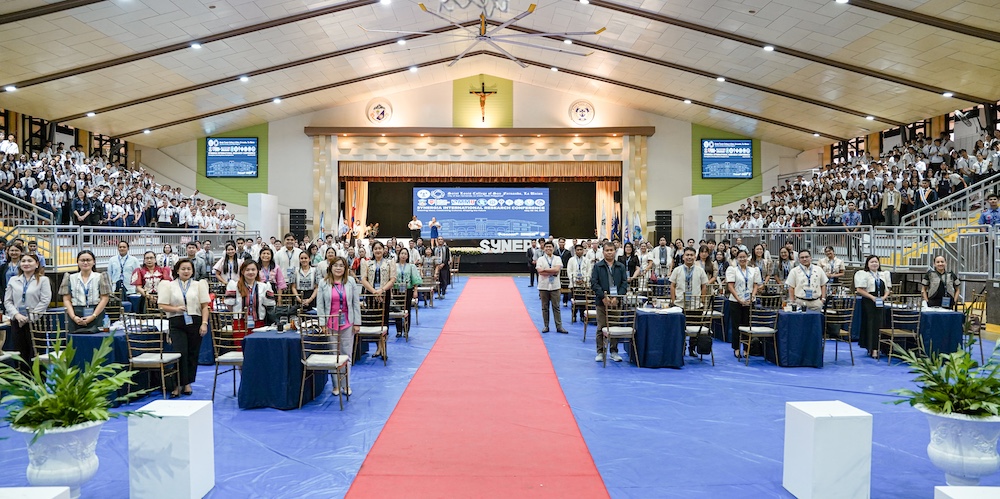
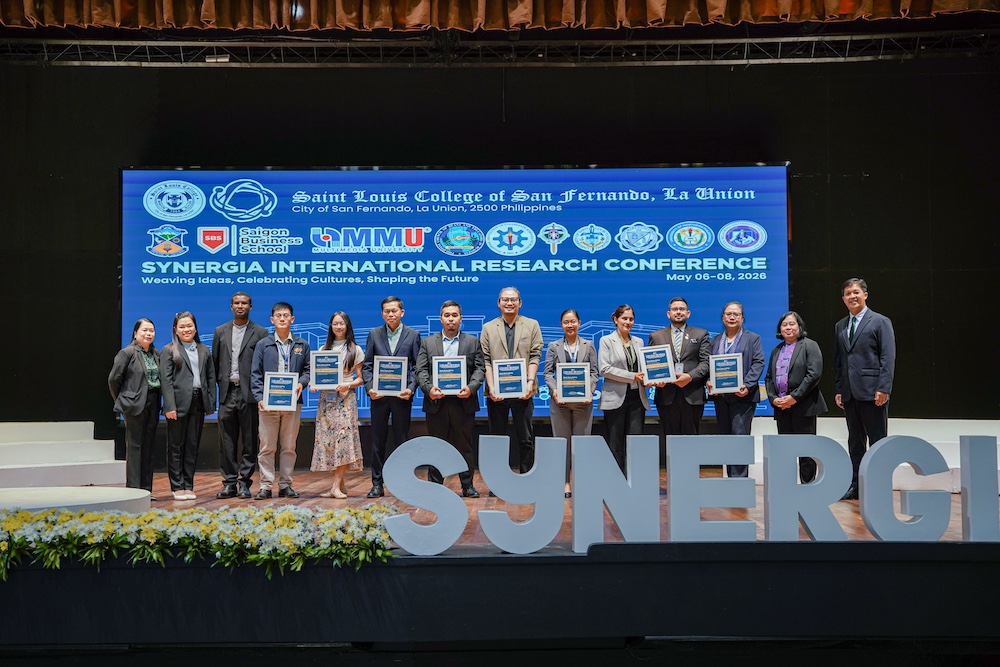
In an era where geographic boundaries are increasingly blurred by the shared pursuit of knowledge, academic institutions are stepping up to define the future of international research. On May 6 to 8, 2026, the spotlight shone brightly on the coastal province of La Union, Philippines, as Saint Louis College (SLC) of San Fernando, La Union (SFLU) officially opened its doors and its vision to the world by hosting the inaugural Synergia International Research Conference 2026.
For SLC, this wasn’t just another academic calendar event; it was a defining milestone. Marking the first international research conference hosted by the institution, Synergia served as a powerful declaration of SLC’s growing commitment to global academic engagement, cross-border research excellence, and sustainable institutional partnerships.
A Global Dawn in La Union
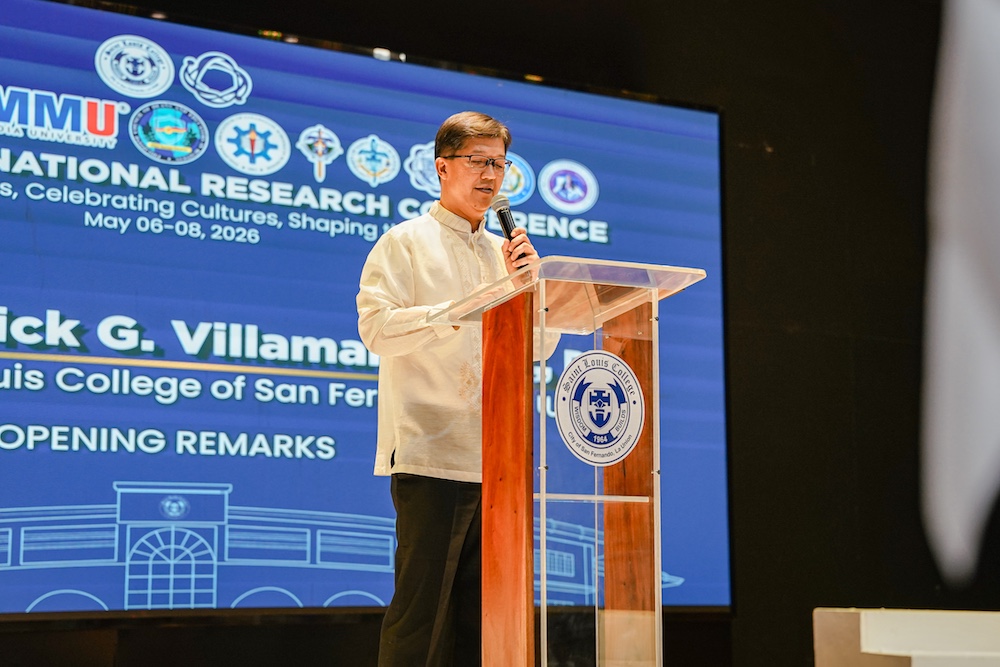
The energy was palpable from the very beginning. The conference commenced with a culturally vibrant Welcome Dinner and Networking Session at Café Luis. Under the leadership of the SLC Management Council, headed by College President Rev. Fr. Roderick G. Villamar, CICM, PhD, and the conference working committee, local and international delegates were given a true taste of Ilocano hospitality.
Academic leaders and institutional partners mingled, laying the groundwork for days of deep intellectual exchange. The guest list read like a registry of academic excellence, with institutions such as the University of Northern Philippines, Virgen Milagrosa University Foundation, Saint Mary’s University, University of Saint Louis – Tuguegarao, and the Northern Philippine College of Maritime, Science, and Technology in attendance.
Prestigious organizations like the Philippine Association of Collegiate Schools in Business (PACSB) and the Philippine Council of Deans and Educators in Business (PCDEB) were also out in full force.
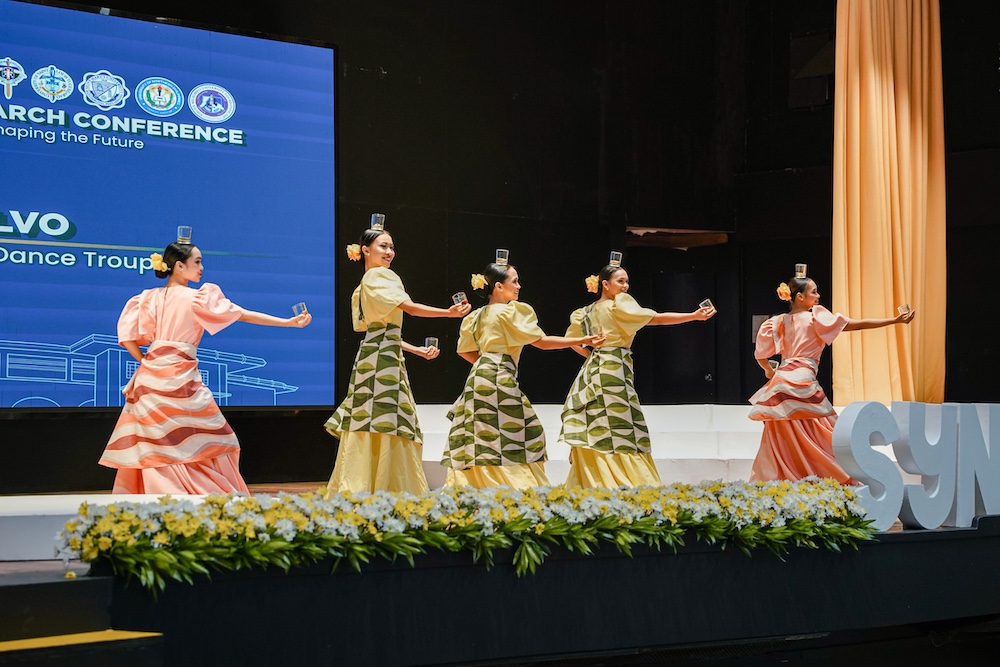
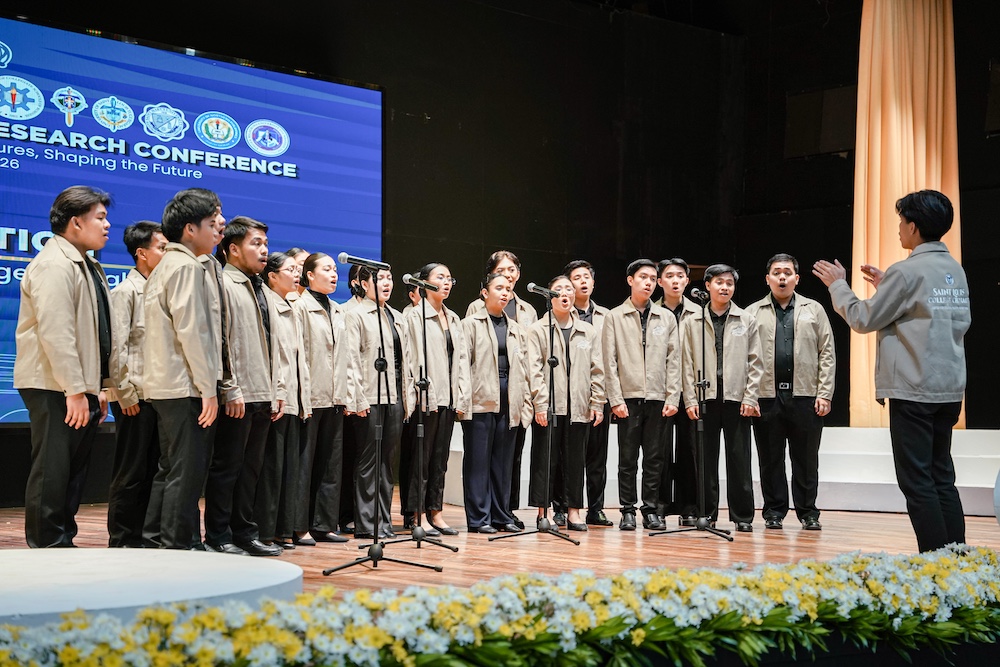
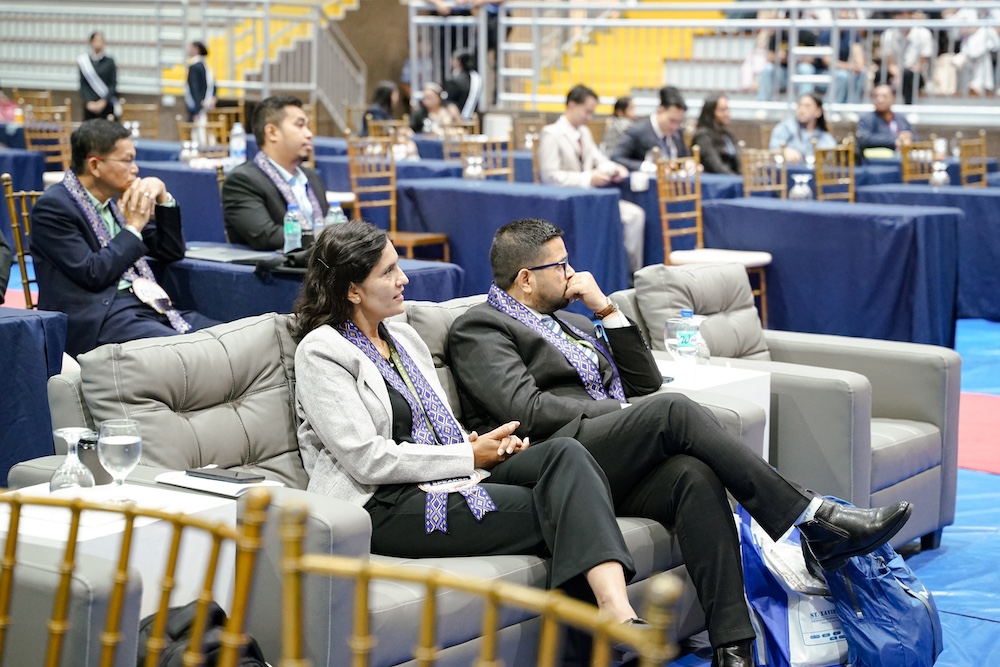
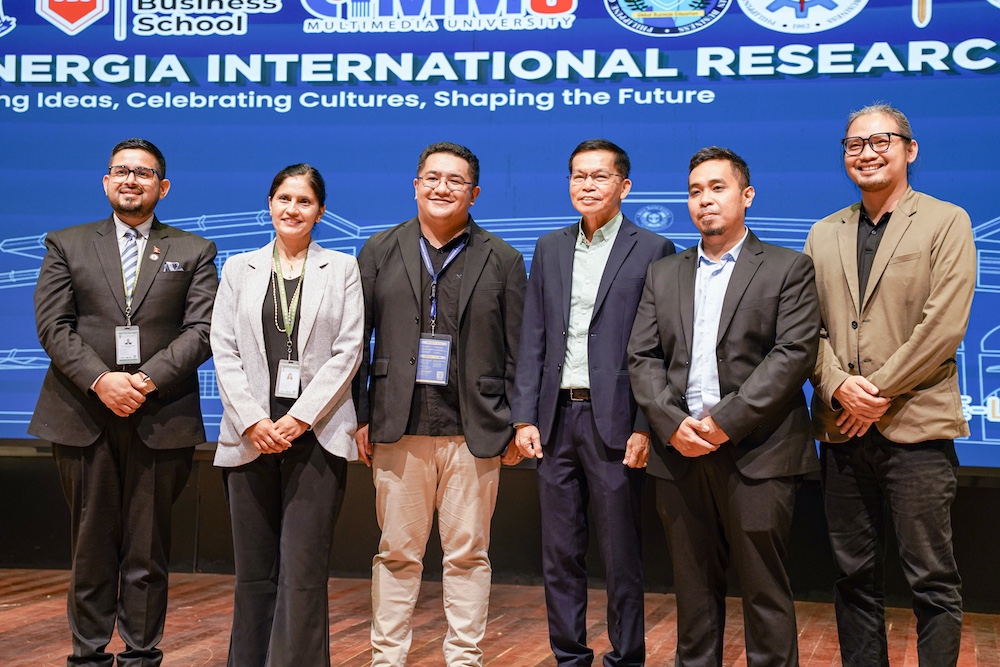
More importantly, the world arrived in La Union. International delegates from St. Xavier’s College (Nepal) and Saigon Business School (Vietnam) filled the room, with representatives from Saint Louis University (Baguio) and Multimedia University (Malaysia) joining the fold shortly after. As the SLC Center for Culture and the Arts (CCAH)—led by the sweeping, traditional movements of the Samtoy Dance Troupe and the harmonious voices of the SLC Chorale—serenaded the audience with folk dances and songs, it became abundantly clear: SLC was no longer just a regional pillar, but a global meeting ground.
Inside the Synergia Hub
If the welcome dinner was the prelude, Day 1 was the grand opening movement. Rev. Fr. Villamar, CICM, PhD, formally welcomed the eager delegates, followed by an inspiring message from Dr. Cherrie Melanie Ancheta-Diego, CESO III, Director IV of the Commission on Higher Education (CHED) Regional Office I, who underscored the critical importance of globalizing Philippine higher education.
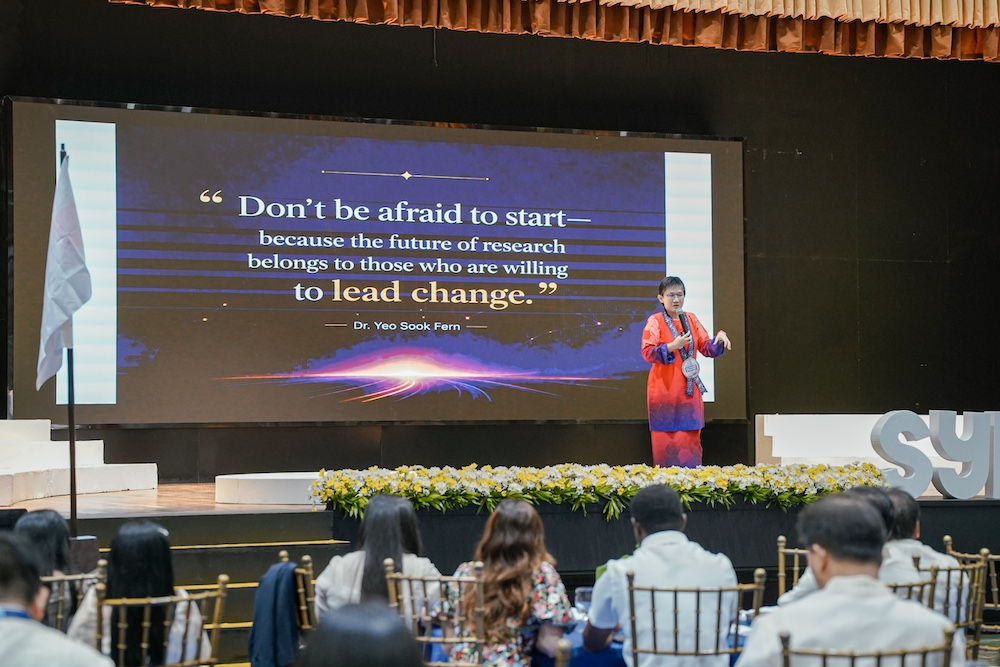
The intellectual heavy lifting began with a riveting keynote address from Dr. Yeo Sook Fern of Multimedia University, Malaysia. Addressing a critical contemporary paradigm, she spoke on “Transforming Research Cultures in the Global South: Innovation, Equity, and Impact,” challenging institutions to build research ecosystems that are not only innovative but accessible and impactful for developing nations.
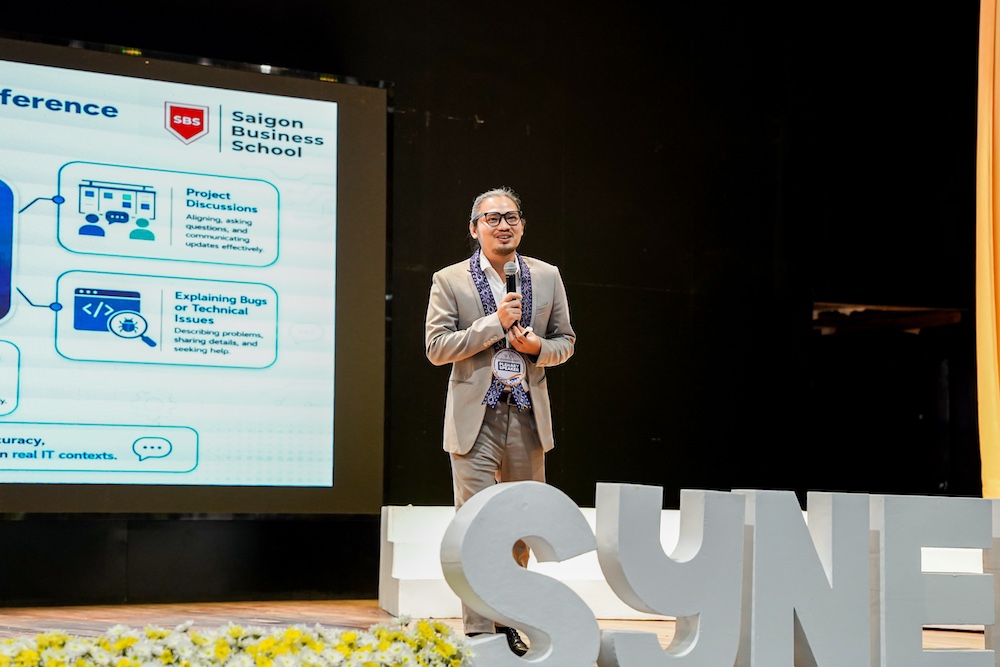
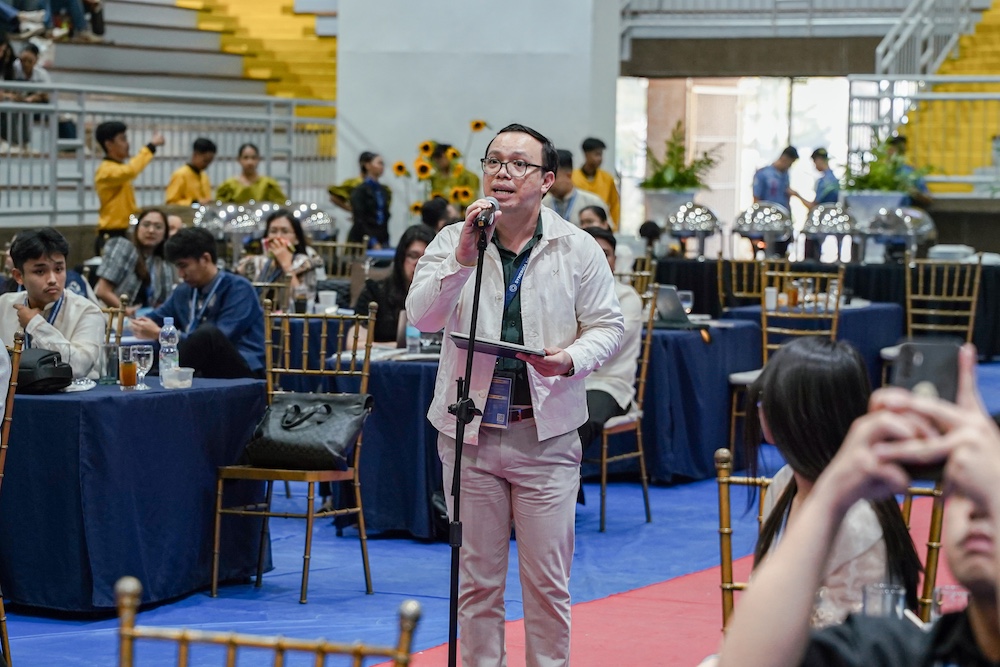
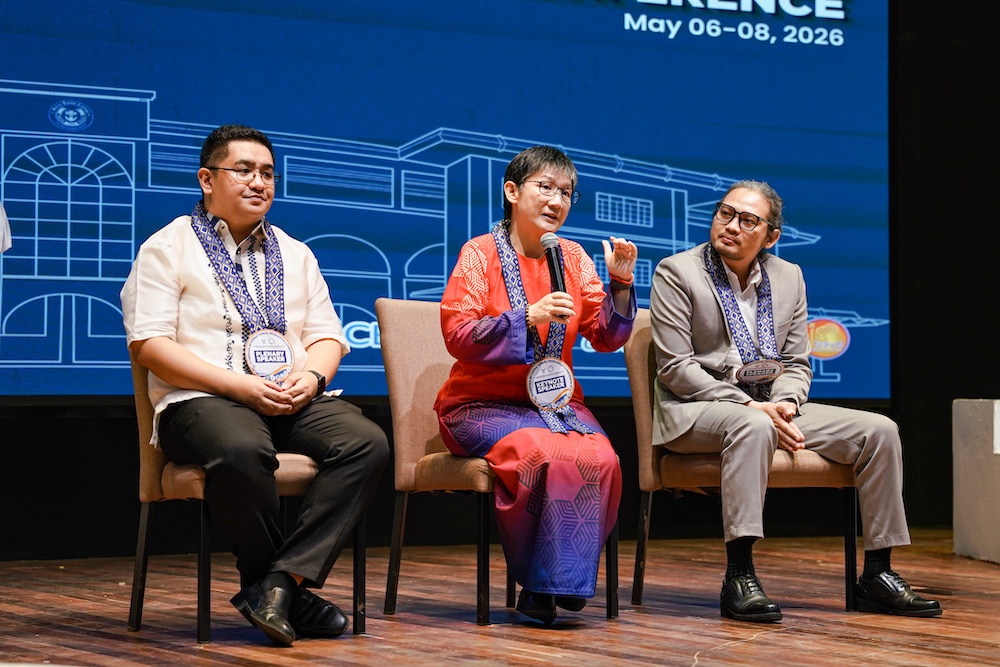
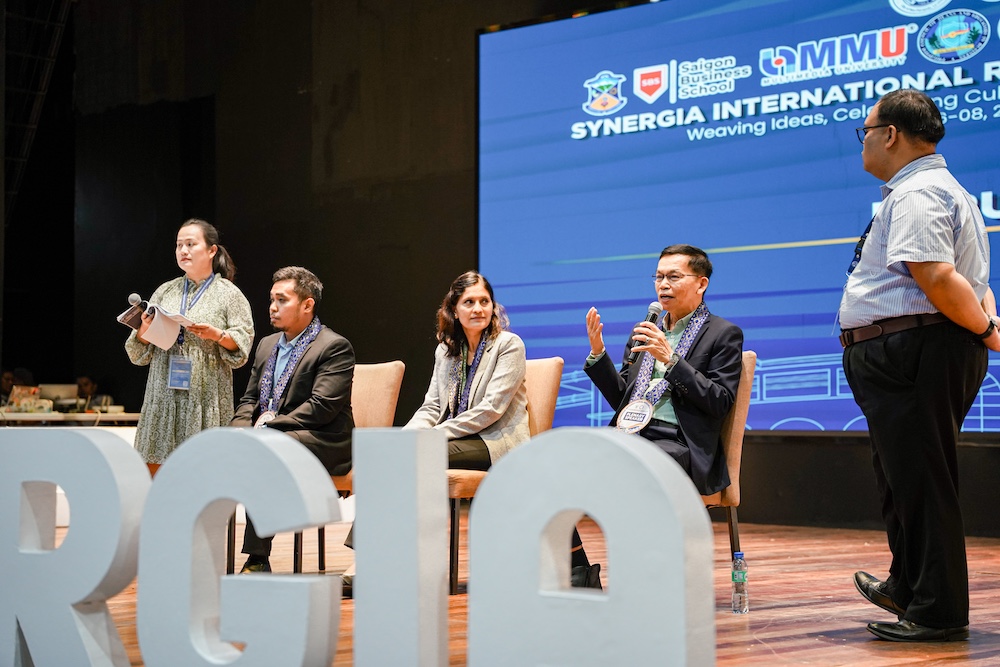
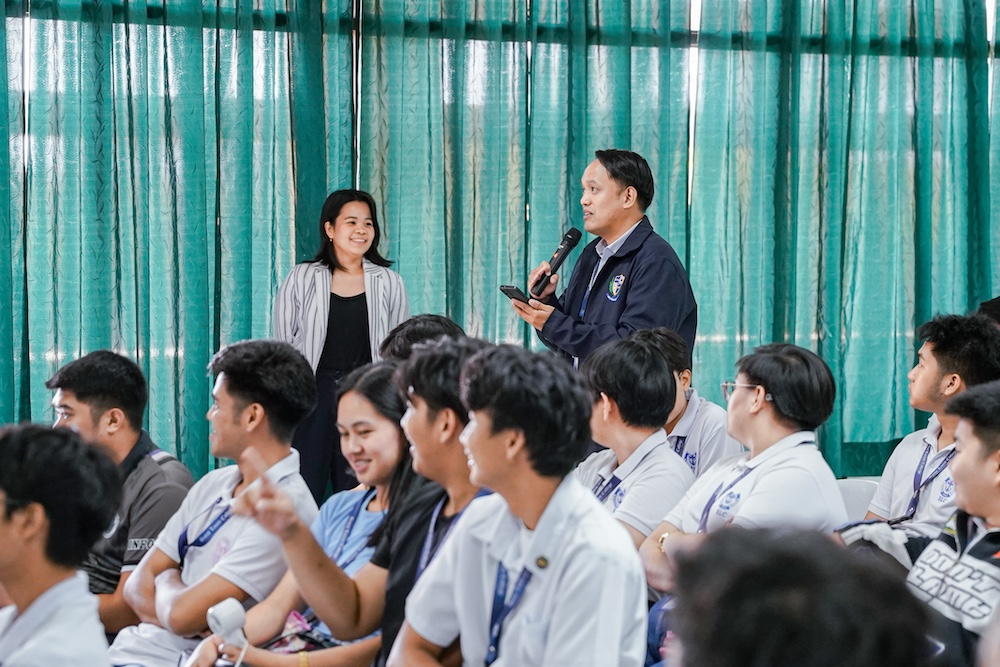
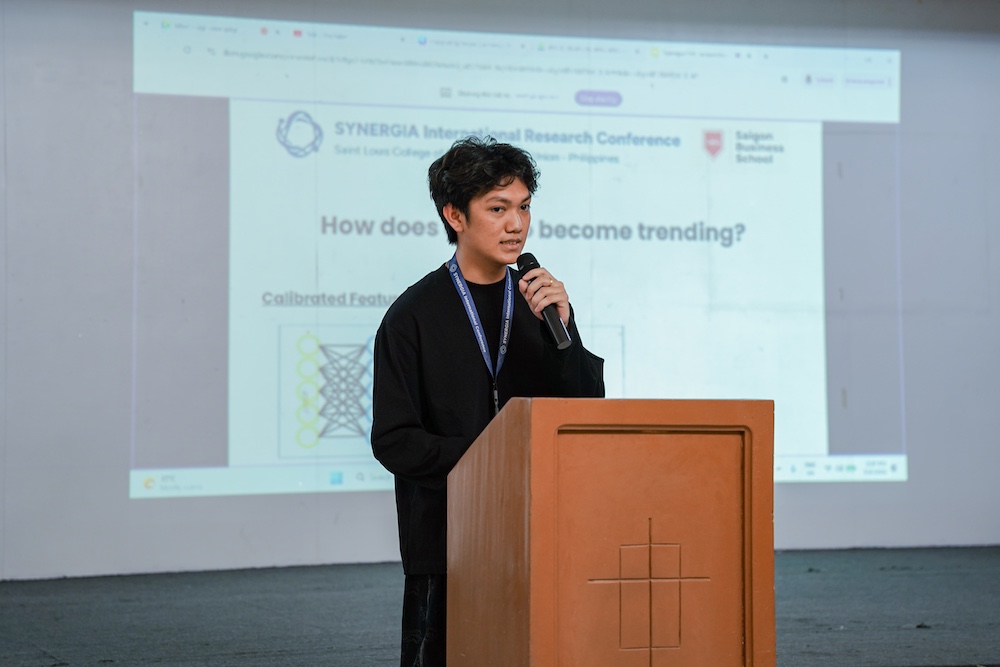
The momentum carried through the plenary lectures. Mr. Viet Tuan Le Hoang from Saigon Business School, Vietnam, introduced cutting-edge methodologies with his lecture, “Shaping the Future of Precision Education: Weaving MASEC-Feedback Model into Learner’s Journey.” Bringing the perspective back home yet aiming for global standards, SLC’s very own Dr. Jose J. Pangngay delivered a vital talk titled “Empowering Graduate Research: Mentoring Models, Capacity Building, and Policy Support.” The subsequent open forum sparked a lively cross-pollination of ideas, as speakers answered burning questions regarding research practices in Vietnam and Malaysia, institutional approaches to fostering a robust research culture, and navigating the common hurdles academic institutions face today.
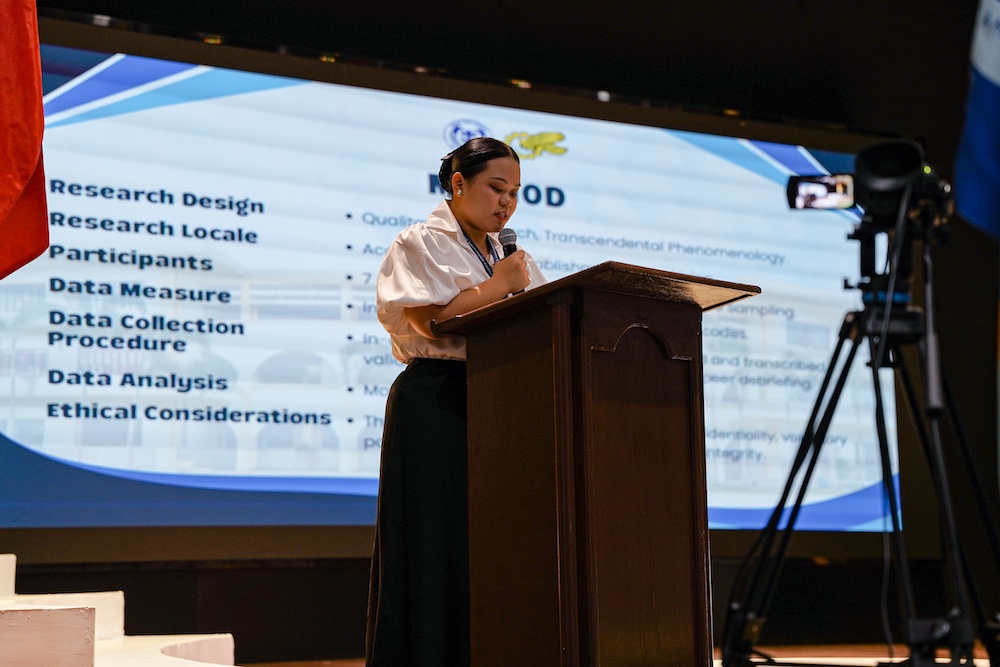
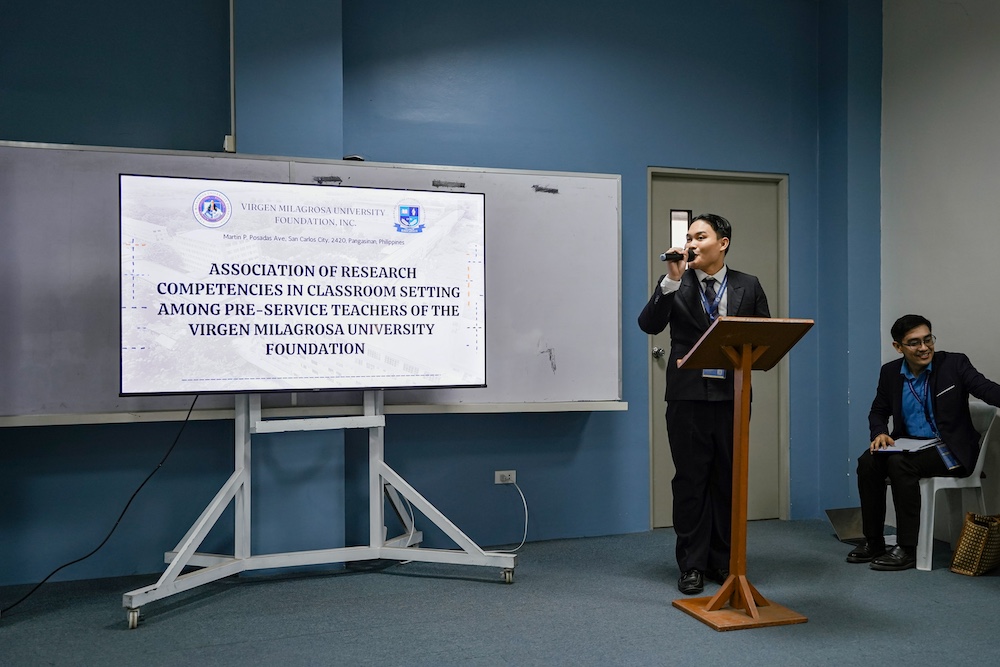
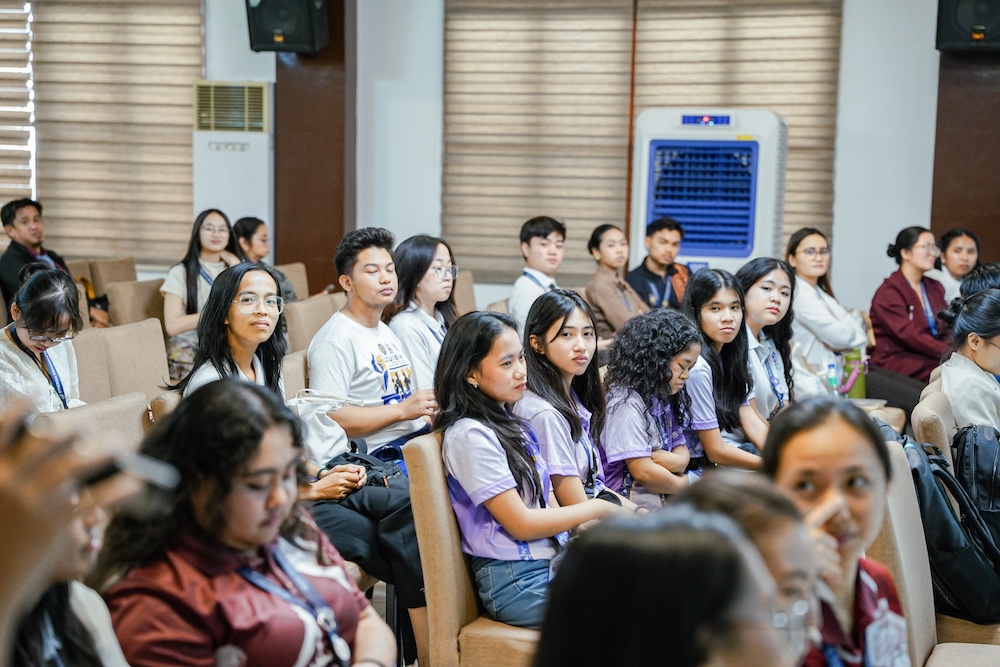
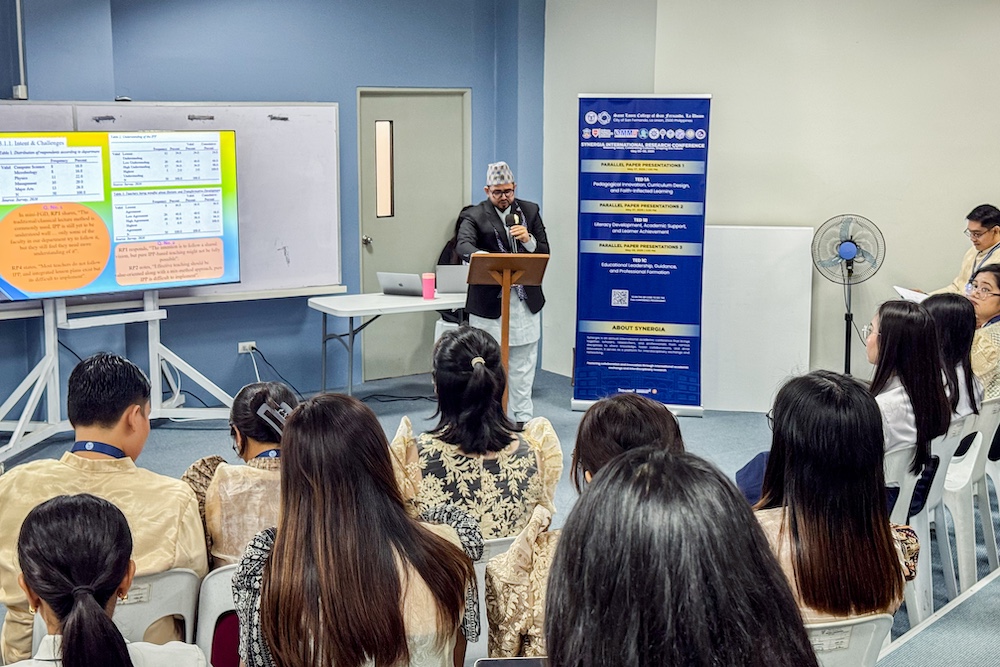
The afternoon shifted from macro-policy to specific disciplines through Parallel Paper Presentations divided into three crucial tracks: Education, Management, and Social Sciences. The classrooms of SLC buzzed with energy as eager Louisians from the College of Business and Accountancy; College of Arts, Sciences, Technology, and Education; and the College of Law and Criminal Justice Education sat side-by-side with international researchers, dissecting data and exploring new horizons.
The second day of the conference zoomed in on the future—specifically, how education can survive and thrive in a world altered by technology and climate change.
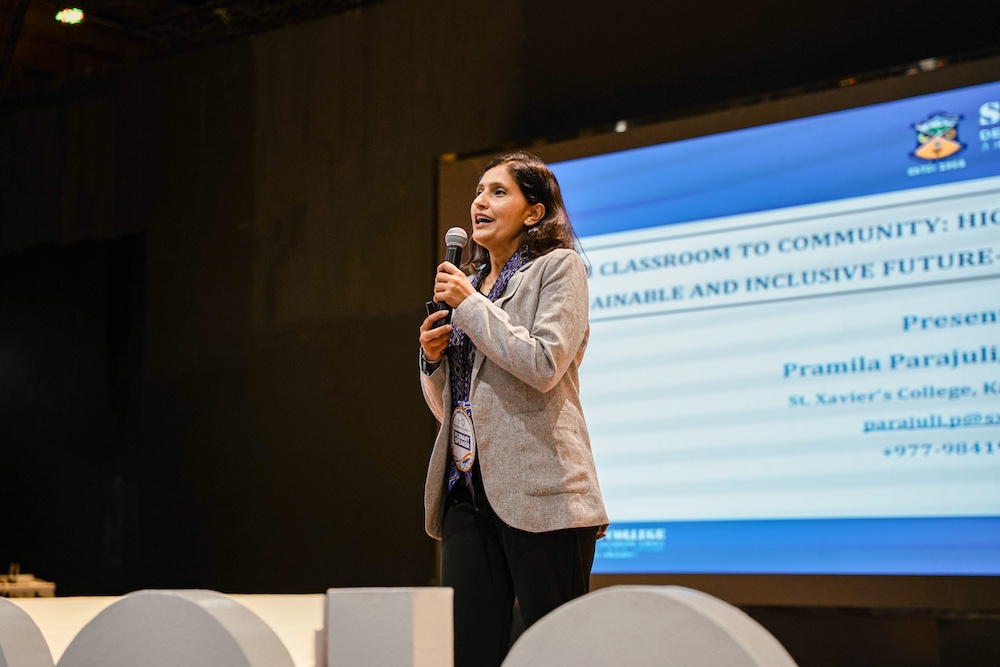
Dr. Pramila Parajuli from St. Xavier’s College in Kathmandu, Nepal, opened the plenary series with her deeply moving lecture, “From Classroom to Community: Higher Education Practices for a Sustainable and Inclusive Future – Insights from SXC, Kathmandu.” She reminded the audience that research must ultimately serve the vulnerable, illustrating how higher education institutions can champion sustainability and community inclusivity.
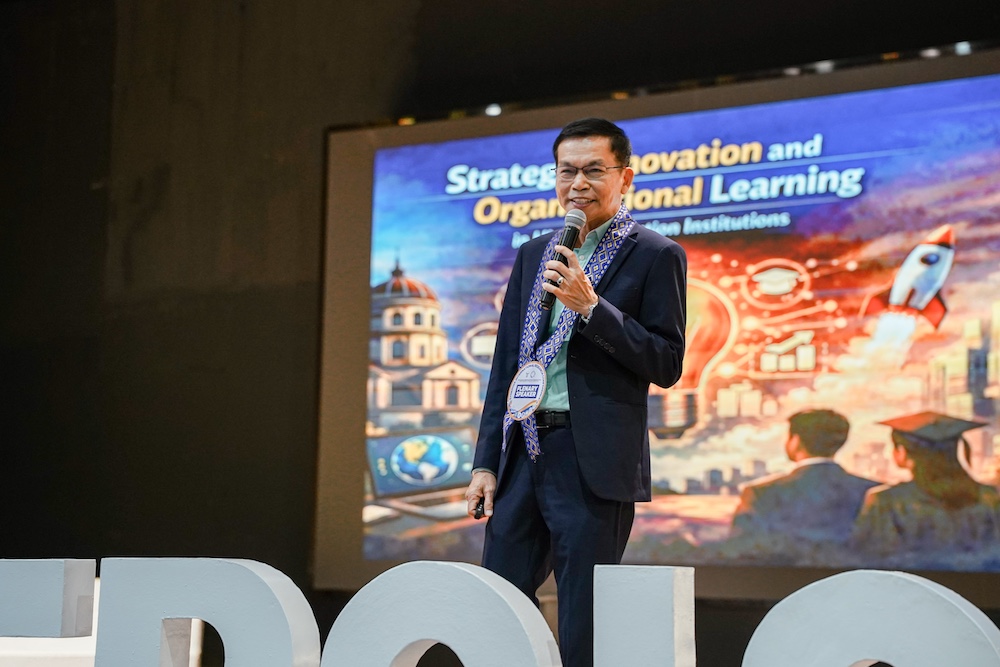
Turning the focus toward the digital frontier, Mr. Neil T. Awit of the PCDEB discussed “Data-Driven Decision-Making for Organizations in the Digital Economy,” arming future professionals with the analytical mindsets required for an AI-driven workforce. Dr. Amado L. Magsino, President of the PACSB, capped off the plenaries with “Strategic Innovation and Organizational Learning in Higher Education Institutions,” a masterclass on how universities can remain agile, adaptive, and resilient amid rapid technological disruptions like Artificial Intelligence.
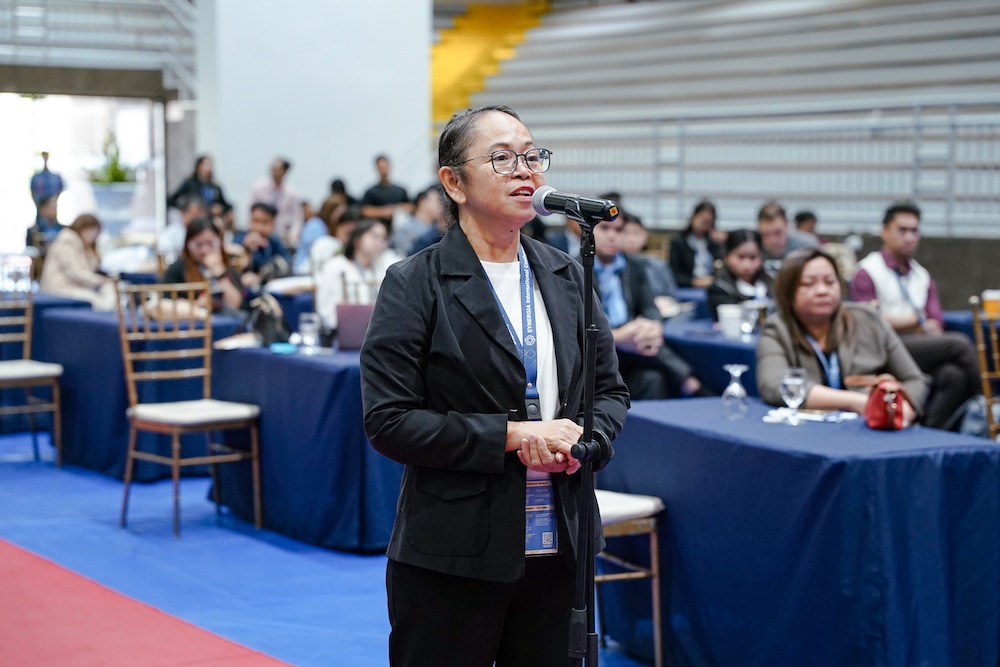
The resulting open forum was dynamic. Faculty, delegates, and students pressed the experts on how to practically prepare students for an AI-dominated industry without losing the human-centric focus of education, and how to maintain long-term community environmental projects.
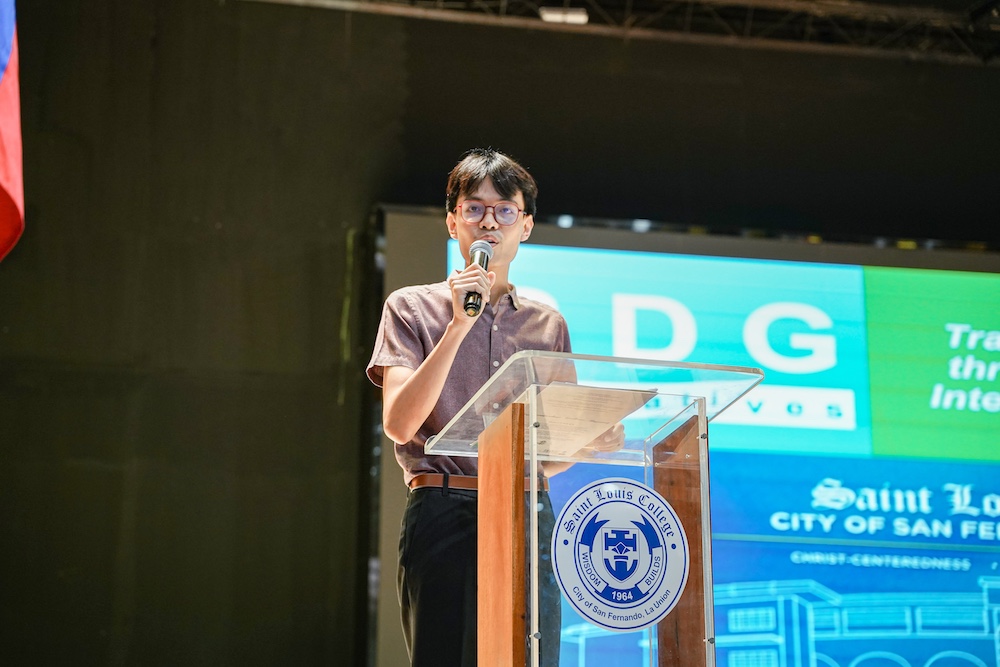
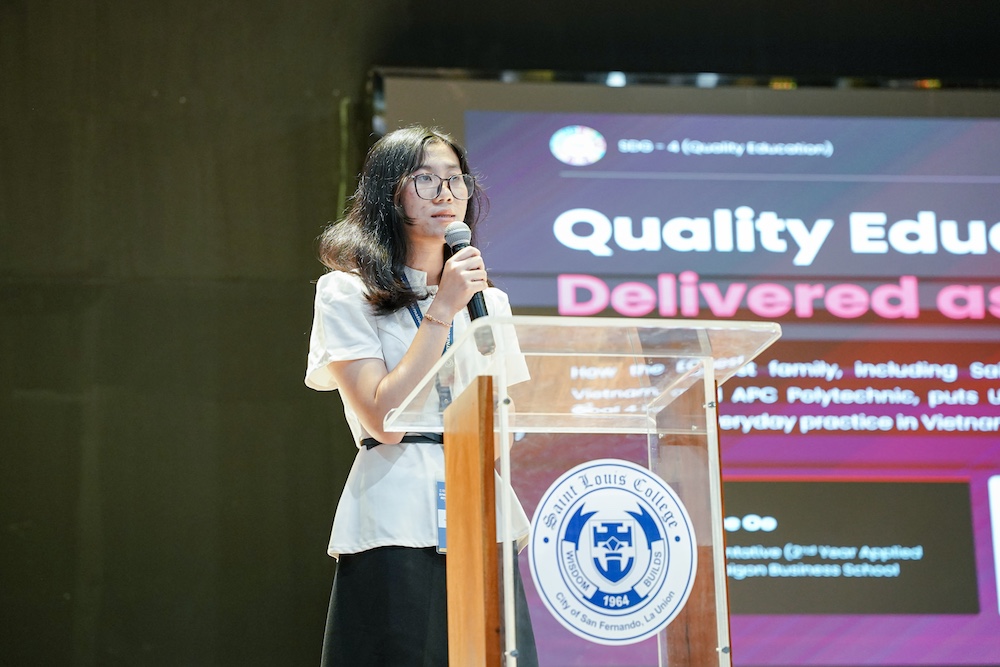
Proving that they practice what they preach, the conference featured a dedicated Presentation of Institutional SDG Practices. Here, institutions including SLC, University of Northern Philippines, Saint Mary’s University, Saint Louis University, Virgen Milagrosa University Foundation, Saigon Business School, and St. Xavier’s College proudly showcased their localized, concrete programs aligned with the United Nations Sustainable Development Goals (SDGs).
SLC’s Lasting Mark on the Global Scene
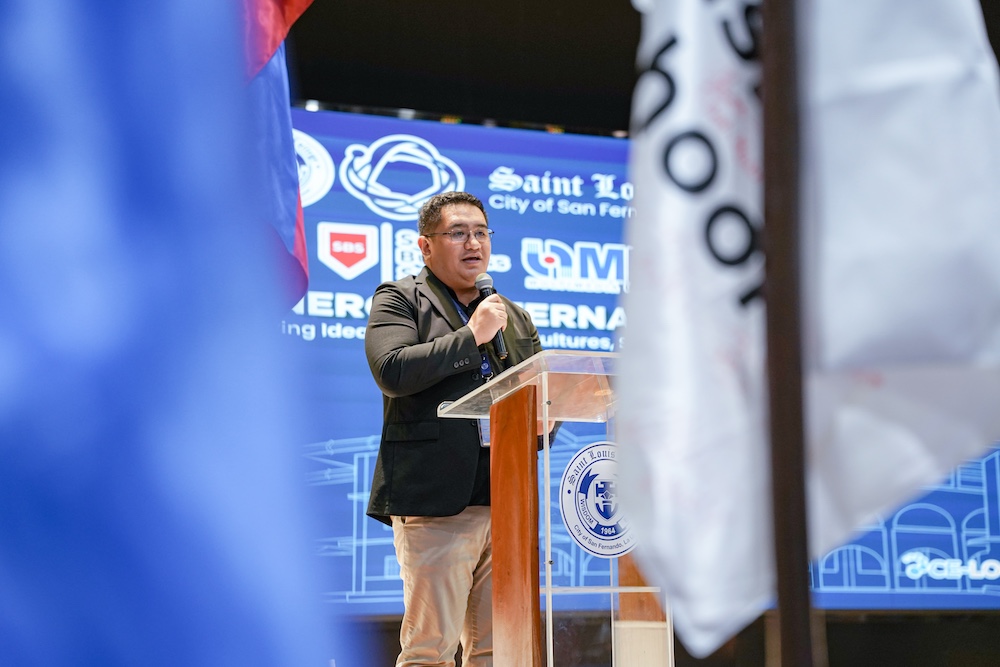
As the final afternoon waned, the two-day intellectual marathon drew to a formal close. Dr. Jose J. Pangngay, Academic Dean of the SLC School of Advanced Studies and Conference Chairperson, stepped up to the podium to deliver the closing remarks. His address was filled with profound gratitude for the speakers, researchers, organizers, and delegates who breathed life into the vision of Synergia.
While the flags were lowered and the delegates began their journeys back to their respective corners of the Philippines, Vietnam, Malaysia, and Nepal, the impact of the event remained firmly rooted in the soil of San Fernando.
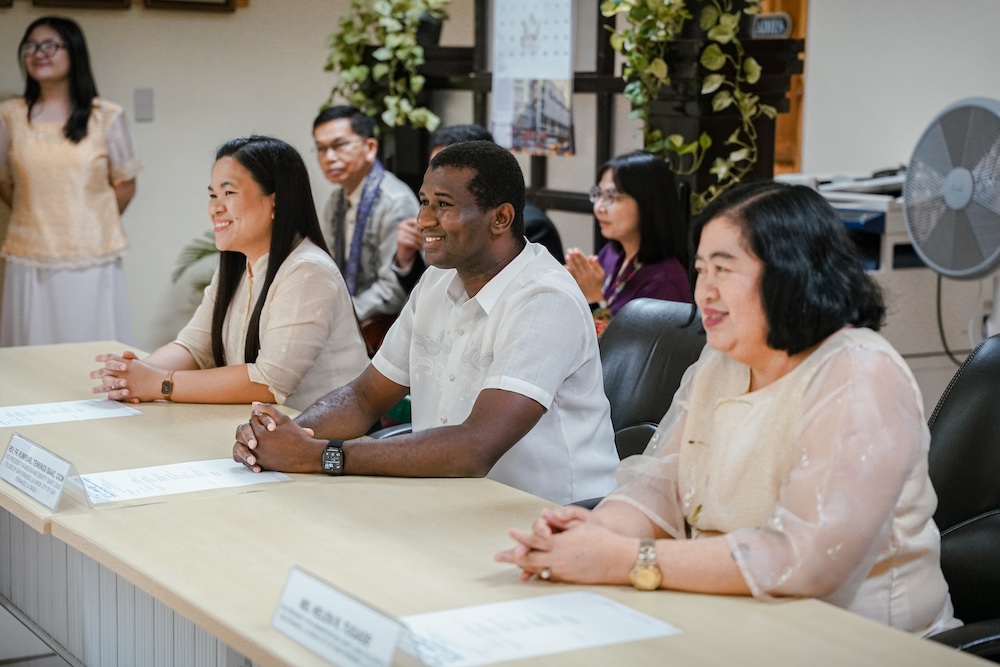
By successfully hosting the Synergia International Research Conference 2026, Saint Louis College proved that a school does not need to be located in a capital metropolis to spark global change. Through the cross-cultural alliances forged, the MOUs signed, and the cutting-edge research shared, SLC has solidified its status as an international player in higher education.
For the ASEACCU community and the broader global academic network, Synergia 2026 stands as a brilliant blueprint of how a values-driven, forward-thinking institution can foster global learning, inspire innovation, and build sustainable academic partnerships for a brighter tomorrow.
Source: SLC-SFLU